The 5 Best Memory Supplements of 2026
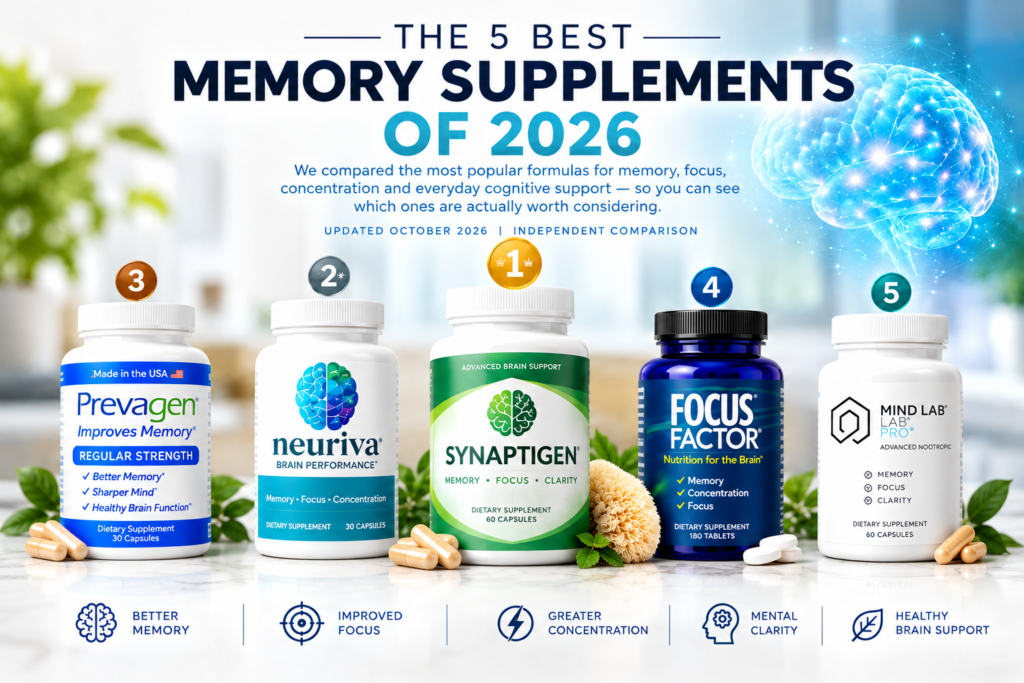
We compared popular formulas for memory, focus, concentration and everyday cognitive support — so you can see which options are worth a closer look.
Updated October 2026 · Editorial comparison
How Can You Tell a Good Memory Supplement from a Bad One?
We analyzed the leading names on the market. Only one came out on top.
If you’ve made it this far, you’re probably looking for one simple thing:
a supplement that can support your memory, focus, and mental clarity without having to try product after product.
The problem?
The market is full of options.
And practically all of them promise some version of the same thing:
better memory. Better focus. More clarity. Better cognitive performance.
But when you put the products side by side, important differences begin to emerge.
Some rely primarily on a specific ingredient.
Others have huge formulas that are difficult to interpret.
Some are extremely well known, but that doesn’t necessarily mean they have the most complete formulation.
And there are those that appear sophisticated, but may be more complex than the average consumer actually needs.
That’s why we decided to do something different.
Instead of simply listing the most popular products, we put five of them head-to-head.
We analyzed:
memory support;
focus and concentration;
mental clarity;
formula composition;
ingredient variety;
transparency;
product positioning;
and overall value.
And the result was quite interesting.
Because the most famous product did not come in first.
And the product with the longest ingredient list didn’t either.
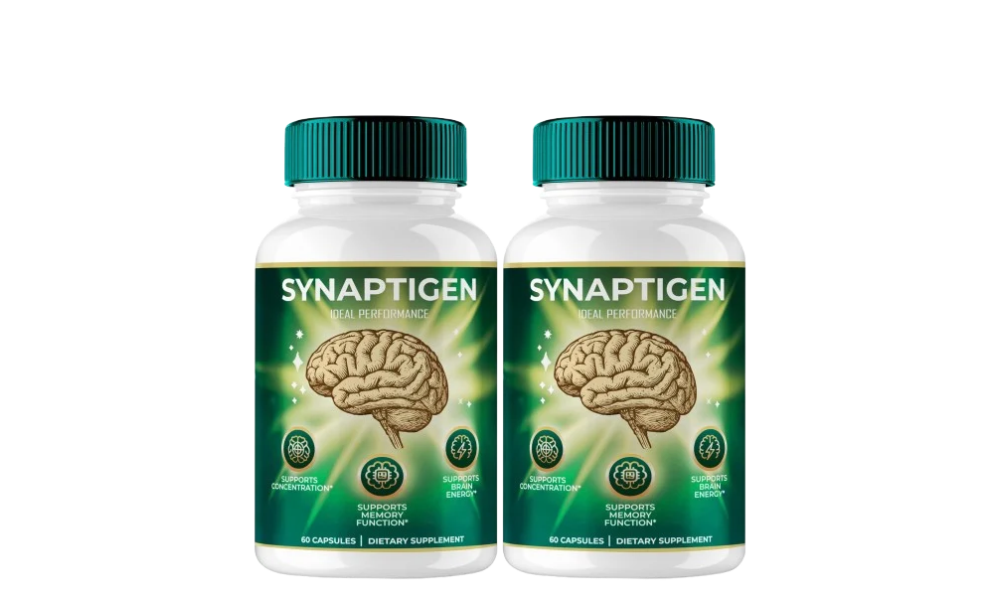
Our #1 choice was Synaptigen.
But before we get to the winner, you need to understand how we reached this conclusion.
What We Looked At
WHAT REALLY MATTERS IN A MEMORY SUPPLEMENT?
There is a very common trap in this market.
You see a familiar ingredient on the label and think:
“That ingredient is good. So this supplement must be good.”
Not necessarily.
The brain is extremely complex.
Memory, learning, concentration, focus, and mental clarity do not depend on a single substance working in isolation.
That’s why, for this comparison, we didn’t simply want to find out:
“Which product has the most famous ingredient?”
Our question was different:
“Which product offers the most compelling combination for someone looking for broad cognitive support?”
That was our starting point.
OUR EVALUATION CRITERIA
To prevent brand popularity from influencing our analysis, we used the same criteria for all five products.
1. MEMORY
Does the formula offer ingredients and a product concept designed to support memory and cognitive function?
2. FOCUS
Does the product also address concentration and attention?
3. MENTAL CLARITY
Does the product go beyond simply “remembering more” and take a broader approach to cognitive performance?
4. FORMULA QUALITY
Do the ingredients make sense within the overall purpose of the formula?
5. APPROACH
Does the product rely too heavily on a single ingredient, or does it take a broader approach?
6. TRANSPARENCY
Can you clearly understand what the product offers?
7. FIT
Does the product make sense for someone who simply wants to add cognitive support to their daily routine?
And it was precisely when we began applying these criteria that some important differences became much more obvious.
FIRST, THERE’S SOMETHING YOU NEED TO KNOW…
MORE INGREDIENTS DO NOT NECESSARILY MEAN A BETTER FORMULA.
This is one of the biggest mistakes we see in this market.
Imagine two bottles.
One contains 5 ingredients.
The other contains 15.
Which one looks better?
Most people would choose the second.
But the comparison isn’t that simple.
A formula does not automatically become superior simply because its ingredient list is longer.
Likewise, a product does not automatically become inferior because it takes a simpler approach.
Watch out for questionable ingredients — Some brands include potentially harmful or insufficiently tested ingredients that may raise concerns about safety. Look for clearly disclosed ingredients with appropriate research support. If a product does not clearly list what it contains, that is a major red flag.
Unproven brands = Risk — New or unfamiliar companies may make bold claims, but a strong marketing message does not by itself establish a product’s quality or reliability.
What matters is the logic behind the formula.
And that is exactly why our ranking may be different from what you expected.
The Comparison at a Glance
| Product | Memory | Focus | Formula | Value |
|---|---|---|---|---|
| 🥇 Synaptigen | ★★★★★ | ★★★★★ | ★★★★★ | ★★★★★ |
| 🥈 Neuriva | ★★★★☆ | ★★★★☆ | ★★★★☆ | ★★★★☆ |
| 🥉 Prevagen | ★★★★☆ | ★★★☆☆ | ★★★☆☆ | ★★★☆☆ |
| Focus Factor | ★★★★☆ | ★★★★☆ | ★★★★☆ | ★★★★☆ |
| Mind Lab Pro | ★★★★☆ | ★★★★★ | ★★★★★ | ★★★★☆ |
Editorial comparison only. These ratings are not clinical head-to-head results.
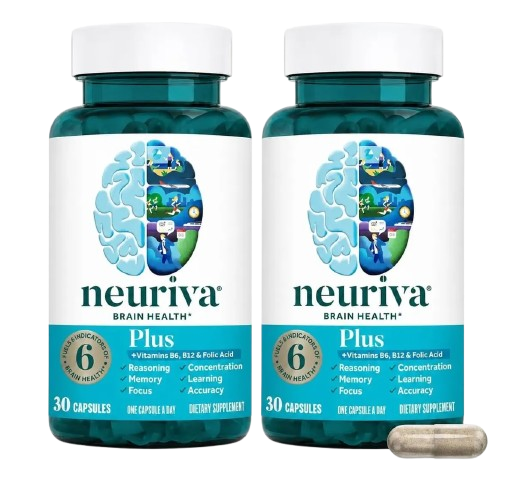
#2 — Neuriva
A Familiar Name in the Memory Supplement Market
A FAMOUS NAME. BUT DOES FAME MEAN THE BEST FORMULA?
Let’s start with one of the names most consumers already recognize.
Neuriva.
It has strong brand recognition, familiar ingredients, and a clear position in the cognitive-support market.
At first glance, that can make it seem like an obvious choice.
But there’s an important difference between being well-known and being the most compelling option overall.
WHAT DOES NEURIVA DO WELL?
✓ Well-known brand
✓ Recognizable ingredients
✓ NeuroFactor
✓ B vitamins
✓ Clear cognitive-health positioning
So no — we’re not saying Neuriva is a product you should simply dismiss.
The issue becomes apparent when you stop looking at the brand and start looking at the overall approach.
A RECOGNIZABLE FORMULA CAN STILL BE LIMITED.
Neuriva benefits from something virtually every brand would love to have:
instant recognition.
You see the bottle and immediately know what category it belongs to.
But that can also create a psychological trap.
You may stop comparing.
You may think:
“I know this brand. I’ve seen it before. It must be one of the best.”
But familiarity isn’t the same as superiority.
When our comparison went beyond brand recognition and asked which option offered a broader overall cognitive-support approach, Neuriva became less compelling.
And that’s why it landed in the #2 spot.
OUR VERDICT:
A strong mainstream option — but not the most compelling overall choice.
If brand recognition is your top priority, Neuriva makes sense.
But if your goal is to compare the overall formula concept, rather than simply choosing the name you already know, Synaptigen gives us a more compelling reason to take a closer look.
🥈 OUR RANKING: 2ND PLACE
Recognizable. Established. Relevant.
But familiarity alone wasn’t enough to earn the #1 spot.
#3 — Prevagen
The Single-Ingredient Approach
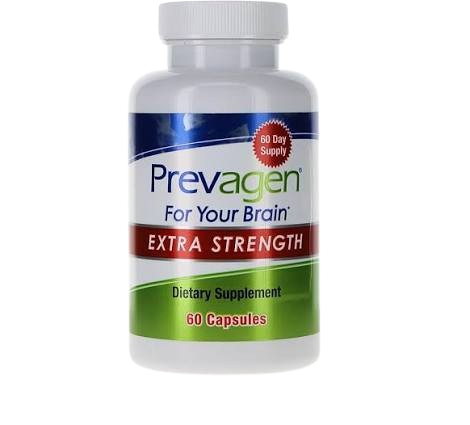
The Single-Ingredient Approach
THE FAMOUS INGREDIENT THAT BUILT THE BRAND
Now we come to another extremely recognizable name:
Prevagen.
Its identity is closely associated with only one ingredient.
That gives Prevagen something extremely valuable from a marketing standpoint:
simplicity.
The proposition is easy to understand.
The name is easy to remember.
And consumers quickly associate Prevagen with memory support.
But there’s another side to that simplicity.
THE QUESTION ISN’T WHETHER A SINGLE INGREDIENT CAN BE INTERESTING.
THE QUESTION IS WHETHER ONE PRIMARY APPROACH IS ENOUGH FOR WHAT YOU’RE LOOKING FOR.
This is where Prevagen starts to lose ground in our comparison.
If someone specifically wants a product built around a simple, easily recognizable proposition, Prevagen may be exactly what they’re looking for.
But our comparison wasn’t simply asking:
“Which product is easiest to understand?”
We asked:
“Which product offers the most compelling overall approach for memory, focus, mental clarity, and everyday cognitive support?”
And that’s a different question.
When you compare a single-ingredient-focused proposition with broader, multi-ingredient approaches, the limitation becomes easier to see:
A more narrowly focused strategy leaves less room to address different aspects of cognitive support.
That’s why Prevagen remains relevant — but doesn’t reach the top of our ranking.
OUR VERDICT:
Easy to understand. Extremely recognizable. But comparatively limited.
Prevagen’s simplicity is one of its biggest marketing strengths.
And it’s also why we don’t place it above a more comprehensive approach.
🥉 OUR RANKING: 3RD PLACE
Very well known. Very specific.
But when we looked beyond the headline ingredient, it wasn’t enough to reach #1.
#4 — Focus Factor
A Broad Nutrient-Based Formula
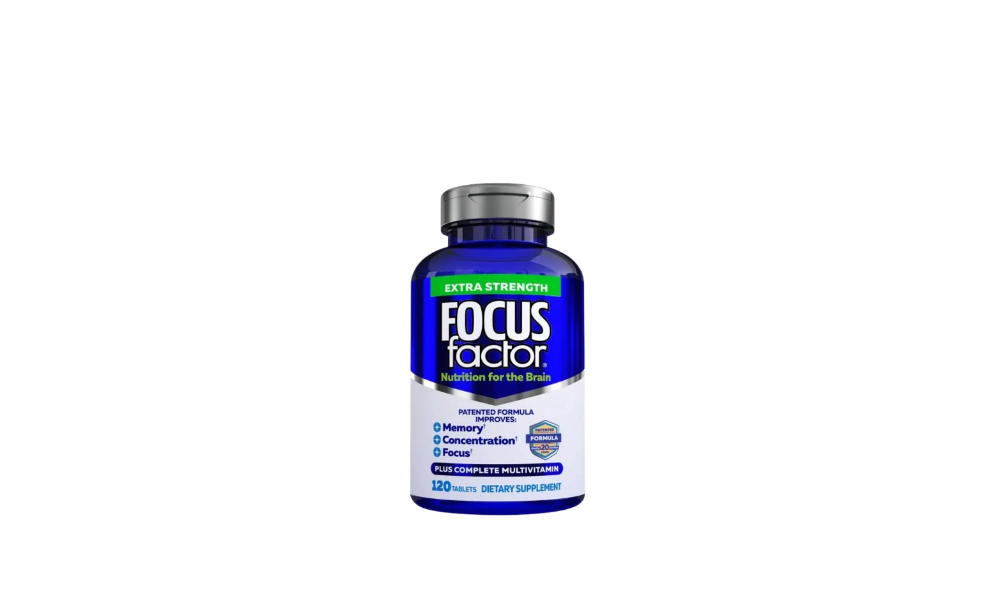
A Broad Formula — But Broad Doesn’t Automatically Mean Better
Focus Factor takes a different approach.
Instead of building its identity around a single headline ingredient, it uses a broader nutrient-based formula.
That sounds appealing.
And it is — to a point.
WHAT DOES FOCUS FACTOR DO WELL?
✓ Broad ingredient profile
✓ Memory and concentration positioning
✓ Established presence in the category
✓ Familiar option for consumers who prefer nutrient-based formulas
But here’s the problem:
A LONGER FORMULA DOESN’T AUTOMATICALLY MAKE A BETTER FORMULA.
This is one of the biggest mistakes consumers make when comparing supplements.
They see more ingredients and assume:
more = better.
But that’s not how a meaningful comparison should work.
The real question is whether the formula as a whole gives you a compelling reason to choose it over the alternatives.
And when we compared Focus Factor with our #1 choice, it became difficult to justify placing it ahead simply because it has a broad ingredient profile.
OUR VERDICT:
A solid broad-formula option — but not the clearest winner.
Focus Factor is worth considering if you specifically prefer a traditional nutrient-based approach.
But being broad, by itself, wasn’t enough to win our comparison.
OUR RANKING: 4TH PLACE
A solid benchmark.
But not every ingredient on a label adds equal value.
#5 — Mind Lab Pro
The Premium Nootropic Formula
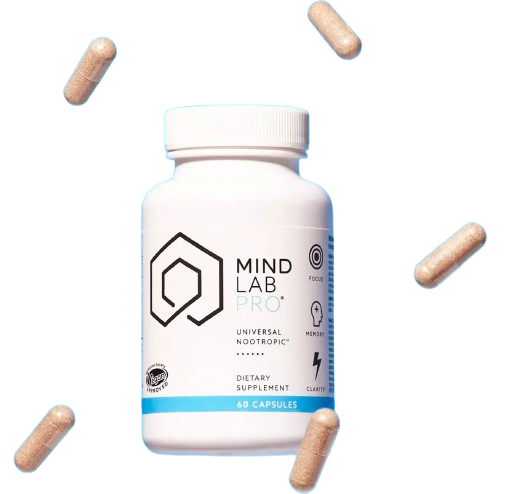
The Premium Nootropic Formula
THIS IS THE PRODUCT THAT LOOKS LIKE IT SHOULD WIN.
And we need to be honest about that.
If you simply look at the ingredient list, Mind Lab Pro can easily grab your attention first.
It positions itself as a premium nootropic formula and currently discloses 11 ingredients with their respective dosages.
So why isn’t it #1?
This is where our comparison gets more interesting.
THE “MORE IS BETTER” TRAP
At first glance, the formula looks extremely impressive.
11 ingredients.
Multiple nootropics.
Specific dosages.
Premium positioning.
A sophisticated ingredient stack.
It can immediately create the impression:
“This must be the most advanced option here.”
But that’s exactly the assumption we want to challenge.
Because our ranking isn’t a competition to see which bottle can fit the longest ingredient list.
A MORE COMPLEX FORMULA ISN’T AUTOMATICALLY A BETTER CHOICE.
Mind Lab Pro was developed around a premium nootropic-stack philosophy.
And for someone who actively researches nootropics, studies individual ingredients, and specifically wants a sophisticated stack, that can be a major advantage.
But that’s also what makes the product less universally compelling.
The average consumer isn’t necessarily looking to build a personal nootropic protocol.
They’re looking for something much simpler:
“I want cognitive support.
I want memory support.
I want better focus.
And I want to know I’m choosing a well-rounded option.”
That’s a different buying decision.
AND THERE’S ANOTHER IMPORTANT QUESTION:
DO YOU REALLY NEED THE MOST COMPLEX FORMULA?
Mind Lab Pro’s ingredient list is impressive.
But impressive doesn’t automatically mean superior.
A sophisticated stack can be very appealing to someone who knows the nootropic world inside and out.
But complexity, by itself, isn’t a benefit.
What matters is whether the formula as a whole makes sense for the person using it.
And this is exactly where Synaptigen ultimately won our comparison.
We weren’t looking for:
the most ingredients.
We weren’t looking for:
the most expensive positioning.
We weren’t looking for:
the formula that sounds the most sophisticated.
We were looking for the option that offered the most compelling overall approach for someone seeking everyday cognitive support.
OUR VERDICT:
Mind Lab Pro may be the most impressive-looking formula on paper.
And that’s exactly why it deserves to be taken seriously.
But it also demonstrates an important lesson:
A sophisticated ingredient stack doesn’t automatically make a product the best choice for everyone.
For consumers specifically looking for a premium nootropic stack, Mind Lab Pro may be highly relevant.
But for consumers looking for an equally premium, balanced approach to everyday cognitive support — without paying for complexity they may not need — we found Synaptigen more compelling.
🏅 OUR RANKING: 5TH PLACE
Impressive on paper. Sophisticated by design.
But “looking the most advanced” isn’t the same as being the “best overall fit.”
AND THIS IS WHY SYNAPTIGEN STILL RANKS #1
At this point, you may be wondering:
“If Mind Lab Pro has such an impressive formula, why did Synaptigen win?”
Because we deliberately didn’t use ingredient count as the deciding factor.
We looked at the bigger picture.
Memory.
Focus.
Mental clarity.
Formula approach.
Ingredient variety.
Transparency.
Daily fit.
And most importantly:
THE OVERALL VALUE OF THE APPROACH.
Mind Lab Pro makes a strong case for someone who wants a premium nootropic stack.
Prevagen makes a strong case for simplicity.
Neuriva makes a strong case for brand recognition.
Focus Factor makes a strong case for a broad, nutrient-based approach.
But Synaptigen was the option we found most compelling when all of these factors were considered together.
SO, WHICH ONE SHOULD YOU CONSIDER?
Adults interested in everyday cognitive support
People looking for support for memory and concentration
Professionals and students interested in focus support
Adults interested in maintaining healthy cognitive function
If you want a simple, single-ingredient approach…
PREVAGEN
Easy to understand. Highly recognizable. But comparatively limited.
If you want a familiar mainstream formula…
FOCUS FACTOR
A broad, nutrient-based approach — but more ingredients don’t automatically mean a better formula.
If you specifically want a premium nootropic stack…
MIND LAB PRO
Sophisticated and ingredient-heavy — but complexity doesn’t automatically mean superiority.
If brand recognition is one of your biggest priorities…
NEURIVA
A familiar name with a clear cognitive-health position — but not the broadest overall approach.
If you’re looking for a broader approach to everyday cognitive support…
SYNAPTIGEN
That’s why it earned our #1 position.
Synaptigen vs. The Alternatives
| Feature | Synaptigen | Neuriva | Prevagen | Focus Factor | Mind Lab Pro |
|---|---|---|---|---|---|
| Memory support positioning | ✓ | ✓ | ✓ | ✓ | ✓ |
| Focus support positioning | ✓ | ✓ | ✓ | ✓ | ✓ |
| Multi-ingredient approach | ✓ | — | — | ✓ | ✓ |
| Distinctive ingredient/story | ✓ | ✓ | ✓ | — | — |
| Ingredient transparency | ✓ | Varies by version | ✓ | ✓ | ✓ |
Ready to Take a Closer Look at Synaptigen?
Explore the official offer, current availability and purchasing options.
🔒 Secure Checkout · 📦 Direct From Official Source · 💳 Secure Payment
Frequently Asked Questions
What is Synaptigen?
Synaptigen is marketed as a dietary supplement designed to support memory, focus and overall cognitive function.
Is Synaptigen a medication?
No. It is marketed as a dietary supplement and is not intended to diagnose, treat, cure or prevent disease.
How long does it take to work?
Results can vary from person to person. Avoid promising a specific timeframe unless the manufacturer provides substantiated evidence for that claim.
Can I take Synaptigen with other supplements?
Anyone taking medications or managing a medical condition should discuss supplementation with a qualified healthcare professional.
Where can I buy Synaptigen?
Use the official offer linked on this page rather than relying on unauthorized third-party sellers.
Disclaimer: This page is for informational and educational purposes only. The products discussed are dietary supplements and are not intended to diagnose, treat, cure, or prevent any disease. Individual results may vary. Always consult a qualified healthcare professional before starting a new dietary supplement, especially if you take medications or have a medical condition.